Navigating Impulse Withstand Voltage Test Exporters
You know, being a pro in electrical testing, I've dealt a lot with these voltage surge testers. It's a bit of a complexity sometimes! these instruments are very significant. They keep the electricity distribution secure worldwide. Today, let's dive into some practical inquiries about this small aspect of the business.
What's this impulse voltage test thing, anyway?
How do impulse withstand voltage test exporters ensure product quality?
What are the key challenges faced by impulse withstand voltage test exporters?
How can impulse withstand voltage test exporters improve their export strategies?
What are the future trends in impulse withstand voltage testing?
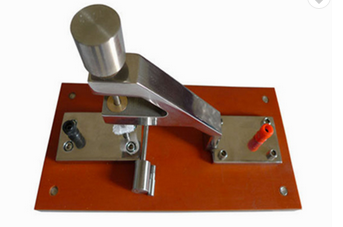
An surge test is a vital process used to evaluate the capacity of electrical insulator to withstand voltage spikes. It's like making a synthetic lightning event or a voltage surge to see if your gear can take the heat if the protective barriers break down. As an surge test shipper, grasping the complexities of this test is vital to guarantee compliance with global safety regulations.
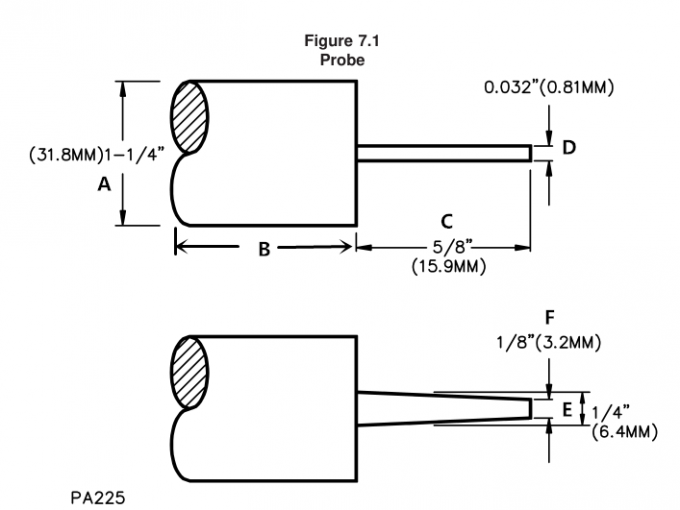
Top of the to-do list for these testers is ensuring the products is up to snuff. They make sure to have stringent checks and controls all through the making of it.
They use high-quality materials, advanced testing equipment, and follow the regulatory frameworks industry regulatory frameworks. And they usually collaborate with some good labs to really thoroughly test and get appropriate certifications before dispatching them.
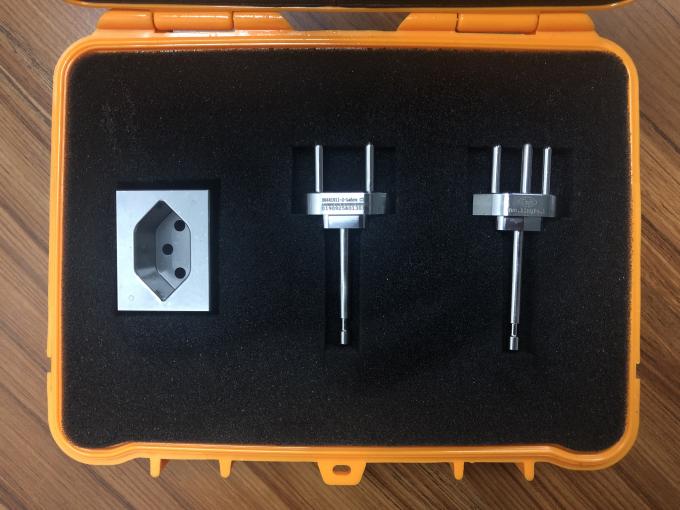
The greatest challenge for these testers is handling all the regulations and specifications that are always variating across countries. Each country has its own unique set of regulatory frameworks, so it's super important for these exporters to keep up-to-date with the most recent regulatory frameworks. Also, the development and advancements are extremely resource-dependent. It's an inevitable fact in this market domain, but it's super important to keep up with the times.
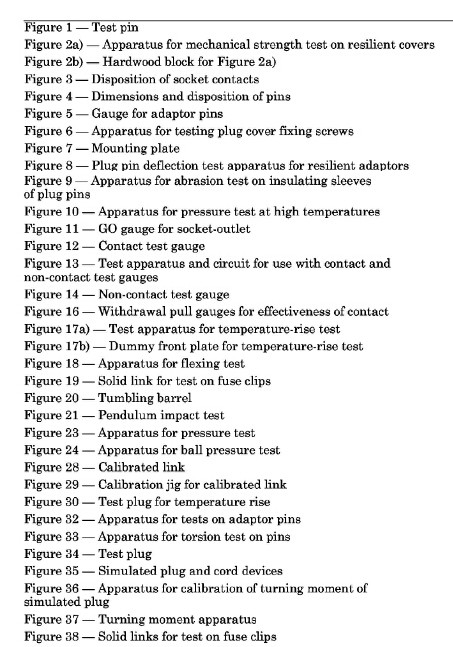
Determining how to increase sales internationally is essential for these exporters if they wish to expand their customer base. They can achieve this by networking with local people who can assist in promoting the products where there is the highest demand
It's a mutually beneficial scenario. They gain an understanding of local preferences, and the whole process flows more smoothly, with no hiccups in the supply chain. Additionally, they can utilize the internet and trade shows to showcase their products and connect with potential buyers.
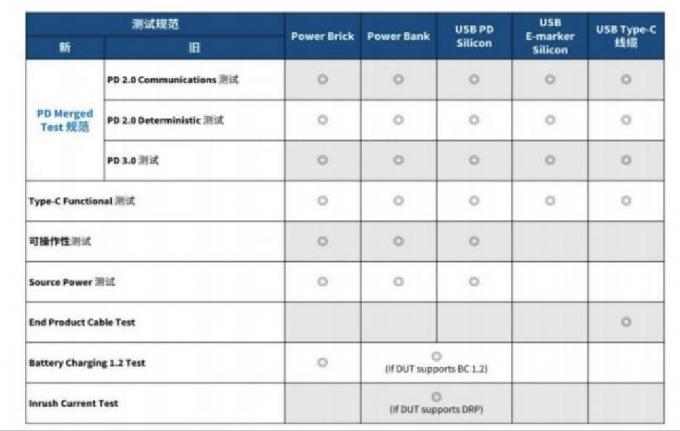
The future regarding these tests is centered around increased machinery and advanced technology devices. They must stay abreast of the trends to maintain their position in the market, for sure. And consumers will seek tests that are environmentally friendly and sustainable. This entails developing some innovative methods and collaborating with environmentalists.
- Is defibrillation protection testing done correctly?
- KingPo Delivers and Installs State-of-the-Art Dust Chamber in Korea, Enhancing Local Testing Capabilities
- Fatal mistakes in IPX9K waterproof test: nozzle size and water temperature control, the truth you must know
- Neutral Electrode Temperature-rise Tester: Ensuring Safety in Electrosurgery
- What are the implications for manufacturers transitioning from ISO 594 to ISO 80369-7?
- KINGPO Company Unveils Next-Generation Electrosurgery Analyzer
- KINGPO 2024 R&D Results Report
- ISO 80369-3 Test Equipment LIst
- Understanding the Importance of Buying a Luer Connection Test Kit
- Understanding ASTM F2059 Fluid Flow Test: A Comprehensive Overview