What is CT and Its Significance?
Computed Tomography (CT) has emerged as a groundbreaking diagnostic tool in healthcare, using X-ray technology to generate highly detailed cross-sectional images of internal body structures. This non-invasive method has significantly advanced the way medical professionals diagnose and treat a multitude of conditions.
Understanding the Fundamentals of CT Scans
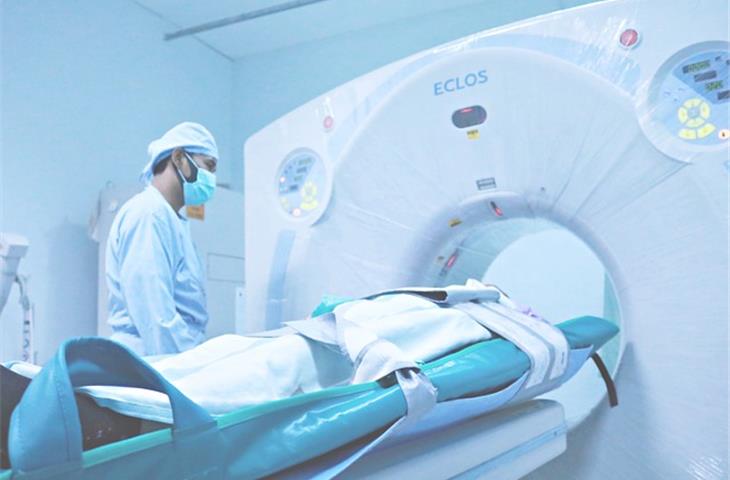
The principle behind CT scanning involves rotating an X-ray source around the patient, capturing images from various angles. These images are then digitally reconstructed to form comprehensive cross-sectional views. Familiarity with the basic process is crucial for both medical professionals and patients.
The Diagnostic Value of CT Scans
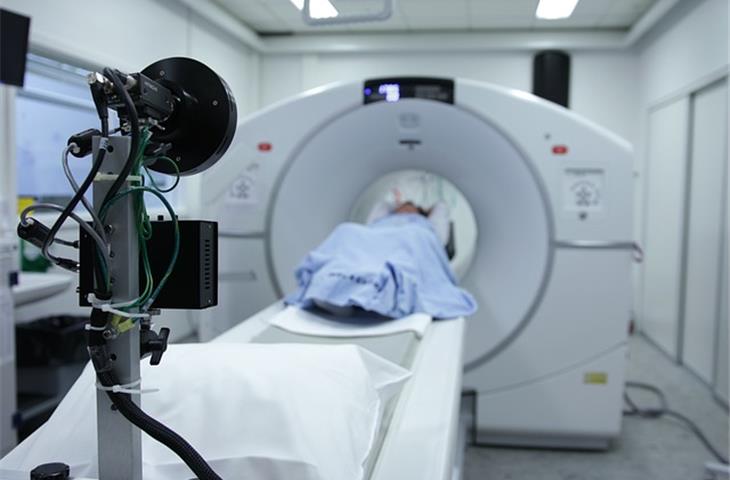
CT scans are instrumental in diagnosing a wide spectrum of diseases and injuries, such as identifying tumors, assessing fractures, evaluating internal injuries, and diagnosing infections. For instance, they are pivotal in cancer detection, where they help in staging and planning treatment.
Utilizing CT Scans for Treatment Planning

CT scans are not just for diagnosis; they also aid in treatment planning. They provide detailed images that assist in surgical preparation, radiation therapy, and interventional procedures, ensuring precision and reducing the risk of complications.
Progress in CT Technology and Future Outlook
Advancements in CT technology are ongoing, with a focus on reducing radiation exposure and enhancing image clarity. Innovations such as portable CT scanners and the integration of virtual reality have expanded the scope and accessibility of CT scans.
Enhanced Non-Invasiveness and Safety
Recent studies have shown that advancements in CT technology have reduced radiation exposure by up to 90% compared to older models, making CT scans safer, especially for children and pregnant women. Additionally, the use of iterative reconstruction algorithms has improved image quality without increasing radiation dose.
Accessibility and Integration with Emerging Technologies
The development of portable and mobile CT systems has improved accessibility, particularly in rural and emergency settings. The integration of CT scans with virtual reality and augmented reality is also on the rise, offering innovative training and visualization tools for medical professionals.
Conclusion
CT scans have revolutionized medical diagnostics and treatment planning, offering a wealth of benefits. As technology continues to evolve, the future of CT scanning looks promising, with further advancements expected to enhance patient care and safety.
- ISO 80369-7 Luer Connector Gauge with 6% Tape
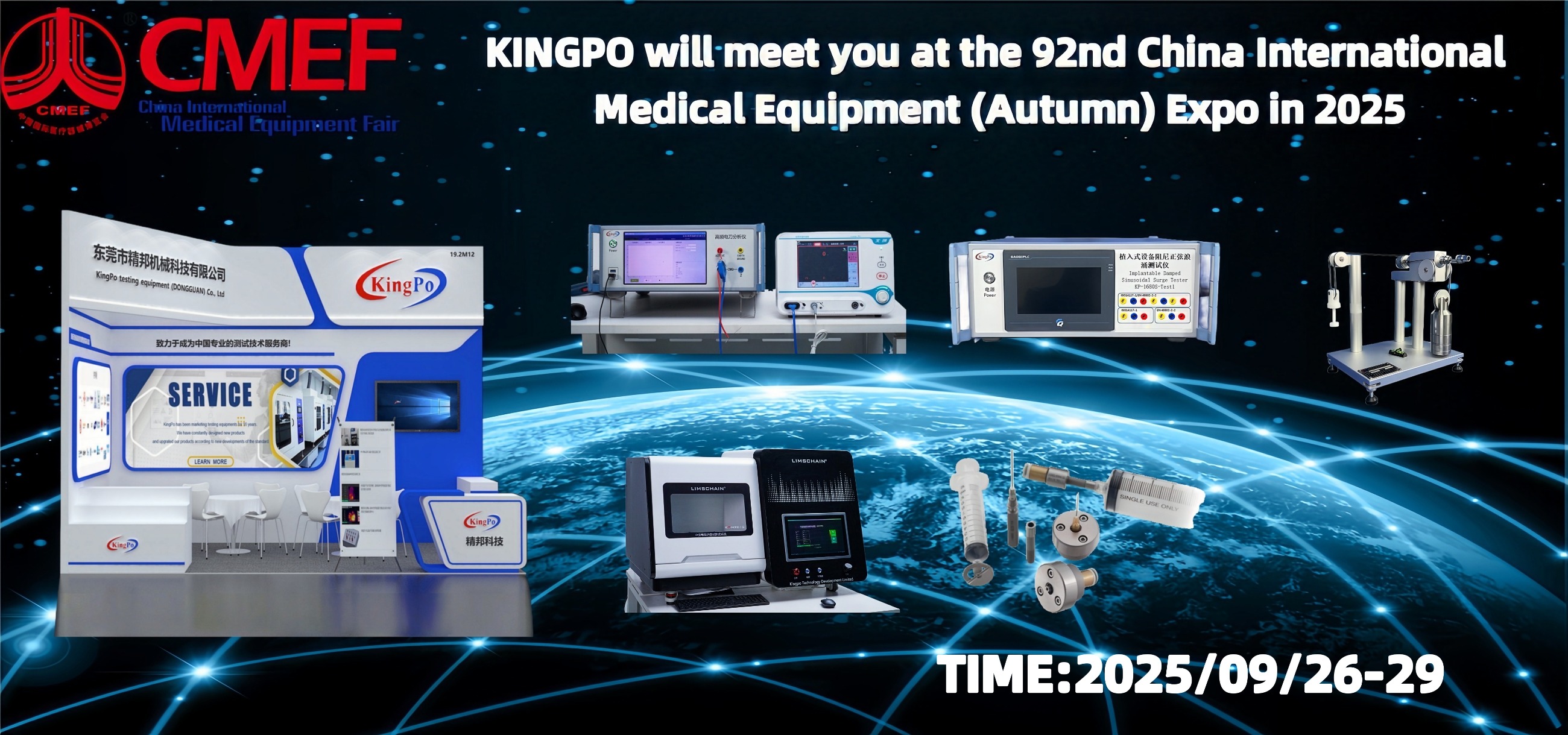
- KINGPO will meet you at the 92nd China International Medical Equipment (Autumn) Expo in 2025
- Fatal mistakes in IPX9K waterproof test: nozzle size and water temperature control, the truth you must know
- Neutral Electrode Temperature-rise Tester: Ensuring Safety in Electrosurgery
- ISO 80369-7 Luer Gauge Checklist
- ISO 594 is replaced with ISO 80369
- KingPo CEO invited to the 83rd International Electrotechnical Commission (IEC) General Assembly
- ISO 80369-7:2016 Connectors with 6% (Luer) taper for intravascular or hypodermic applications What is the ISO 80369-7 standard? What happened to ISO 594-1 and ISO 594-2?
- ISO 80369-3 Test Equipment LIst
- Essential Considerations for Small-Bore Connector Testing Equipment